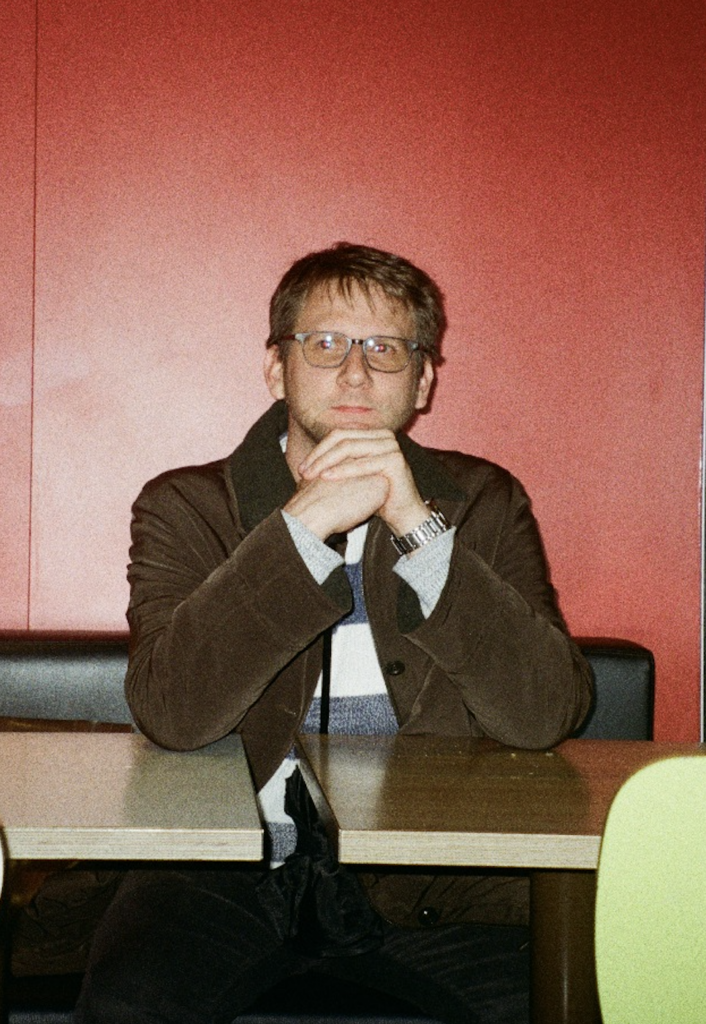
Scientific section I
Ing. Sepideh Hassankhani Dolatabadi, PhD. | Institute of Informatics SAS
In 2025, I successfully completed my doctoral studies at the Faculty of Information Technology and Telecommunications (FIIT) at the Slovak University of Technology (STU), and I currently work as a researcher at the Institute of Informatics of the Slovak Academy of Sciences. My research focuses on artificial intelligence, human-computer interaction, and decision support systems in the field of disaster management. In addition to my research, I teach the course “Human-Computer Interaction” at the Faculty of Information and Communication Technologies (FIIT) at the Slovak University of Technology (STU) and actively contribute to the popularization of science and outreach activities within the institute.
During my previous term, I had the opportunity to serve on the MVS committee. However, I spent more than nine months on maternity leave, which naturally limited my ability to fully participate in MVS activities and events. Nevertheless, I greatly appreciate having been part of the team. Now that I’m back, I’m even more excited and motivated to actively contribute, strengthen collaboration among young people, and help organize initiatives that bring our community together.
In my free time, I enjoy designing interactive mobile apps, exploring new technologies, and spending time in nature.
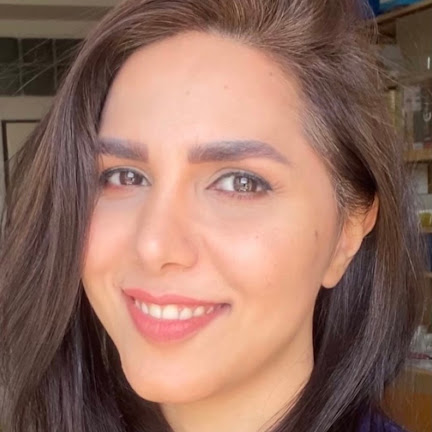
Scientific section II
Mgr. Viktória Planetová | Institute of Inorganic Chemistry SAS
My motivation for running for the Slovak Academy of Sciences’ Young Scientists Committee stems from my interest in actively participating in the organization of activities and contributing to the building of a community that connects young scientists.
My many years of experience in the restaurant industry have prepared me for this position; there, I learned to communicate effectively with people, work under time pressure, and handle crisis situations. At the same time, I have been working for several years at the Hector Agency, which organizes historical events in Slovakia and abroad. This experience has equipped me with a wide range of organizational and communication skills—from coordinating event preparations and setting up various types of tents to handling the technical needs of performers and coordinating the program.
I believe that my experience, motivation, and responsible approach can contribute to the work of the Committee of Young Scientists of the Slovak Academy of Sciences.
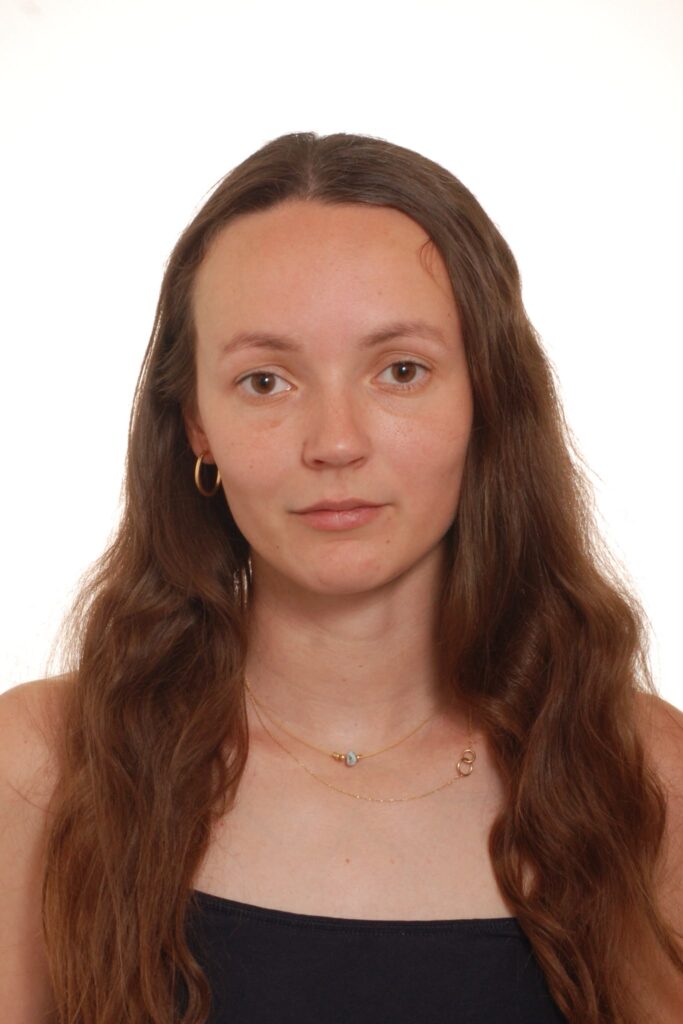
Mgr. Matej Medla, PhD. | Institute of Zoology SAS
I completed my PhD in molecular biology in 2023, and since then I have been continuing my research focused on identifying the function of neuropeptides in the physiology and behavior of Ixodes ricinus ticks. During this time, I have also completed internships abroad and participated in the preparation and implementation of both Slovak and European projects. Outside the lab, you’ll find me on my bike, in the mountains, or engaged in some other athletic or detoxifying activity.
For the past two years, I have been a member of the Committee of Young Scientists at the Slovak Academy of Sciences (SAV), where I helped organize workshops, team-building events, and other social and educational activities for young researchers. In addition, I was responsible for popularizing the research of young scientists by editing a column (“Youth and Science”) in the science popularization magazine Quark, where I selected and prepared articles from all departments of the Slovak Academy of Sciences.
I am running for election for the next term because I enjoy this work and want to continue doing it. Thanks to my experience from internships abroad and project development, I can also advise young colleagues in these areas. I remain committed to ensuring that young scientists at the Slovak Academy of Sciences have a stronger voice and that their topics and needs are taken seriously. I want to build on this in the coming term.
If my work to date and my plans have piqued your interest, I would greatly appreciate your support.
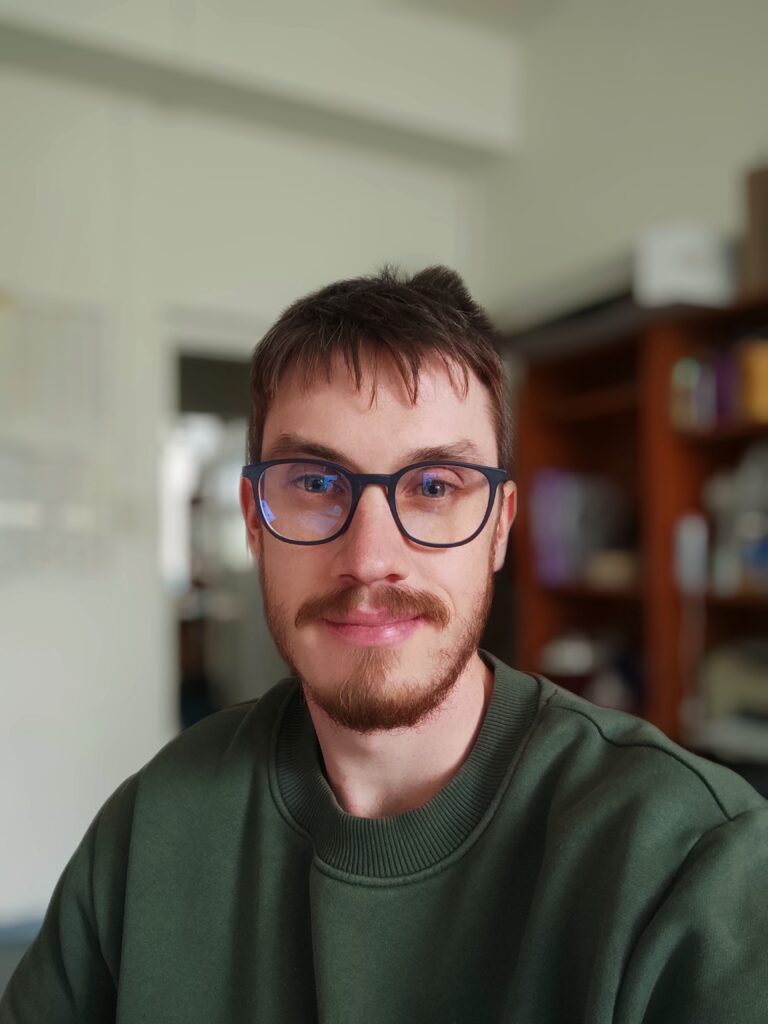
Ing. Peter Pôbiš, PhD. | Institute of Experimental Pharmacology and Toxicology, Center for Experimental Medicine SAS
I work at the Center for Experimental Medicine of the Slovak Academy of Sciences, where I focus on the development of modern in vitro methods and their implementation in toxicology as alternatives to animal testing. I also focused on this area during my doctoral studies, which I successfully completed in 2025.
At the Center for Experimental Medicine, I serve as chair of the CEM Young Researchers Group, through which we organize doctoral seminars, professional events, and informal gatherings aimed at connecting young scientists and creating opportunities for collaboration and networking.
I also gain experience in supporting the development of early-career researchers at the international level as a member of the ASPIS Academy Core Group, co-chair of the ESTIV Early Career Network, and the Slovak liaison for the EUROTOX Early Career Forum, where I participate in activities focused on the development of young researchers, promoting networking, and fostering their professional growth. As a member of the SAS Young Scientists Committee, I would like to contribute to networking among young scientists across SAS institutes, support their involvement in international initiatives, and create more opportunities for both professional and personal development. In my free time, I enjoy traveling, reading books, and working on graphic design, websites, and science outreach.
Scientific section III
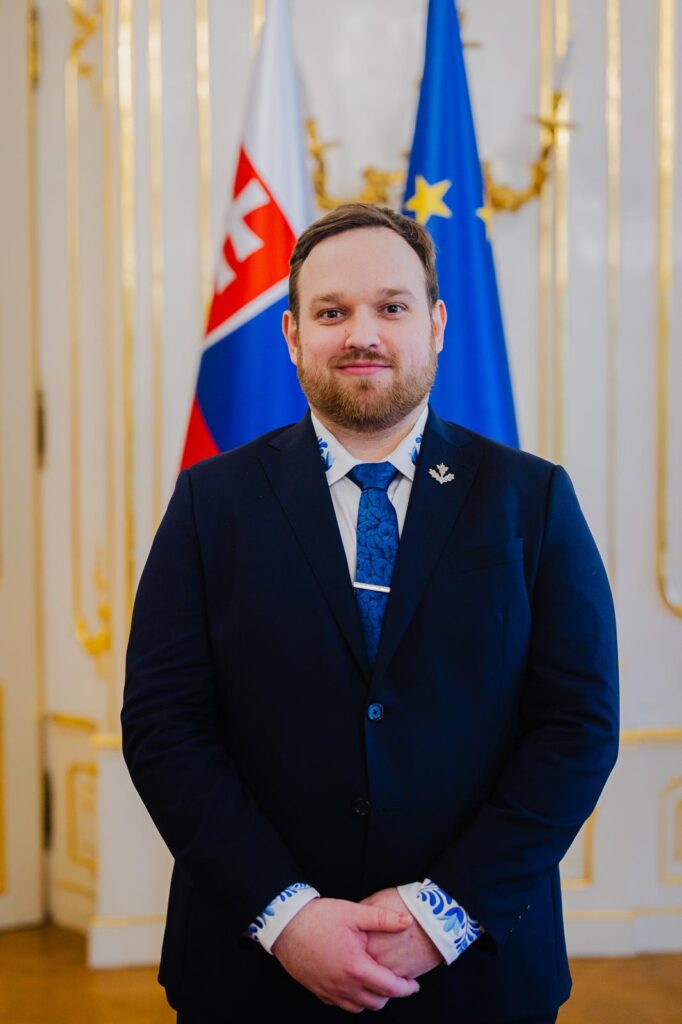
Mgr. Martin Makara, PhD. | Institute of Slovak Literature SAS
I have been working at the Institute of Slovak Literature, Slovak Academy of Sciences, since 2025 as a member of the newly established Department of Literary Culture. My research focuses on the theory of literary criticism, the sociology of literature, and the history of literary studies.
I am a member of the Slovak Writers’ Association, where I am involved in cooperation with the European Writers’ Council, and of the Cultural Committees, where I am responsible for preparing documentation regarding recommended fair compensation for men and women working in the field of literature. I believe that the experience gained from these organizations can also be helpful for my work on the Committee of Young Scientists of the Slovak Academy of Sciences. I consider this platform meaningful not only for discussing the specific needs of young researchers but also for formulating proposals to support early-career researchers and putting these measures into practice.
Mgr. Viliam Nádaskay, PhD. | Institute of Slovak Literature SAS
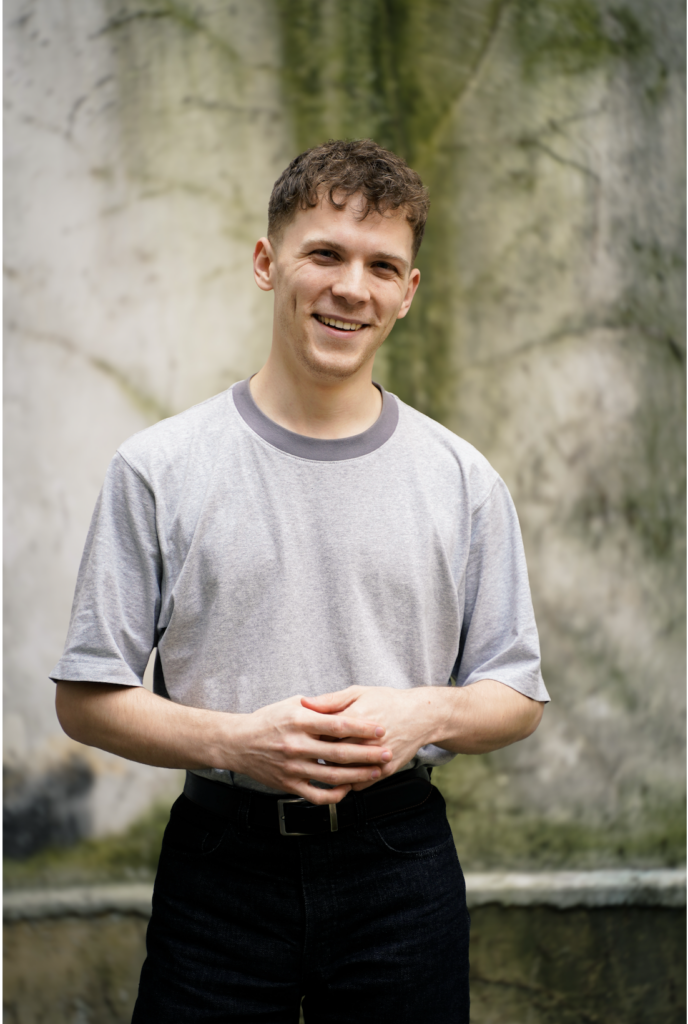
During my doctoral studies from 2017 to 2021, I focused on researching socialist realism as a literary and social system. I continue this broad research to this day, focusing primarily on the study of poetry and literary culture in interdisciplinary, particularly sociological, contexts.
I have served one term on the Committee of the Youth Section of the Slovak Academy of Sciences and would like to continue the work I have begun. The primary goal is to improve communication with the leadership of the Slovak Academy of Sciences on matters that directly concern young researchers and have an immediate impact on their future careers in the academic environment. Another, more fundamental task should be to clarify the legal and organizational status of the MV SAV within the Slovak Academy of Sciences.
Ultimately, over the long term, the MV SAV could gradually evolve into a nationwide academic organization modeled after European young academies. Such an organization would bring together young scientists and represent their interests as an independent entity—one that would not function as a subordinate organization tasked with performing secondary duties, but rather as a serious, equal voice and an advisory body in addressing nationwide academic matters.